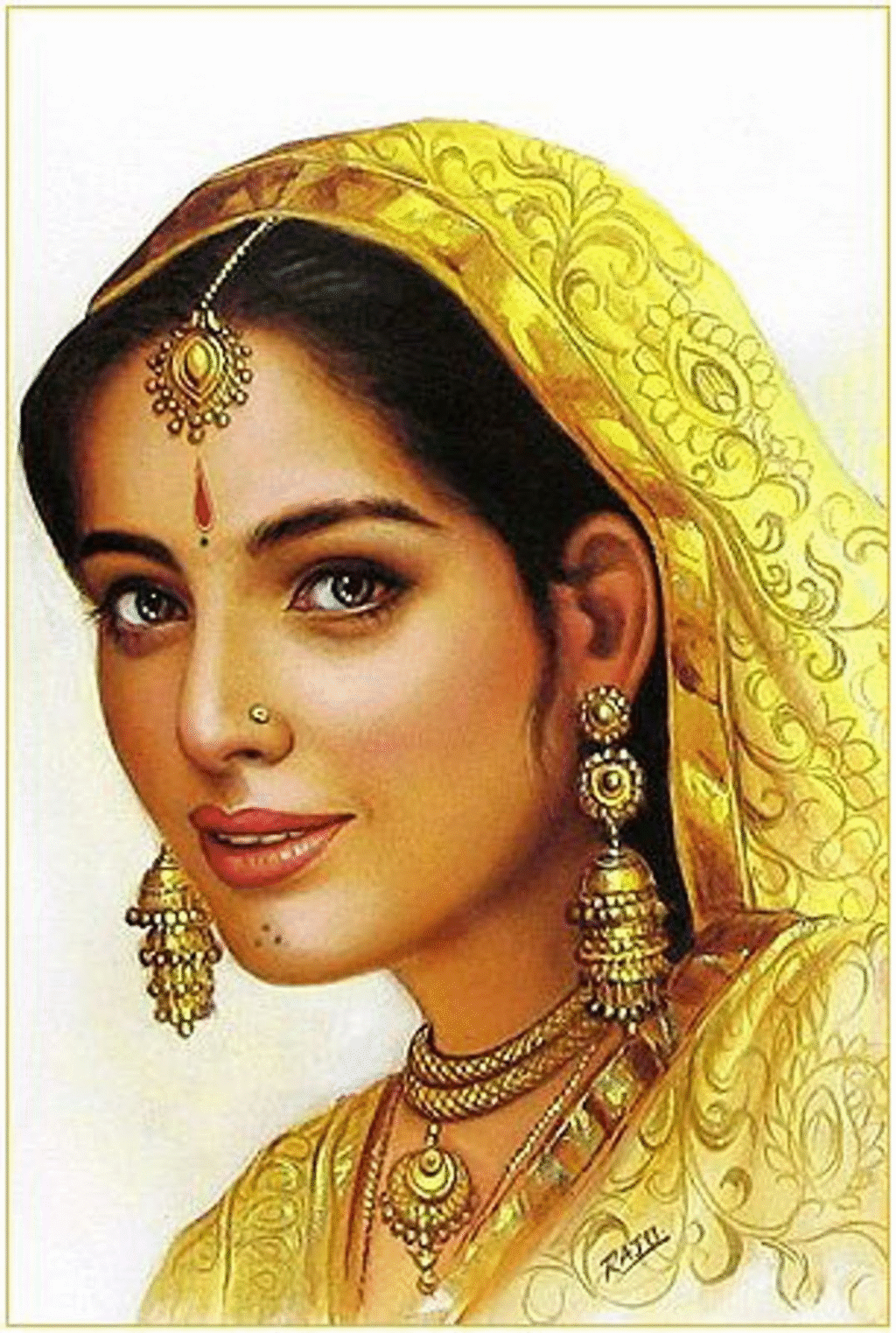
Rani Padmavati, also known as Rani Padmini, is an iconic figure in Indian history and folklore. She is celebrated as a beautiful, ethereal being, a smart strategist, and a symbol of great courage, which she proved time and again. While it is a mix of historical fact and legend, which includes the 16th-century epic Poem Padmavat by Malik Muhammad Jayasi, her legacy as a fierce champion of honour still today inspires millions.
Early Life and Background
In historical accounts and in regional records, Rani Padmavati is reported to have been born in the middle of the 14th century, around 1350 CE. Also, it is put forth that at birth she was in the Shri Nagari area of Pratisthan Nagar within Alwar, which is in present-day Rajasthan, India. Also, it is said that she was the daughter of Mahendra Jaisingh of the Sisodia Panchal Dynasty, but there are variations in reports regarding her exact ancestry. From a very young age, Padmavati was noted for not only her great physical beauty but also for her wit, wisdom and skills in war, which made her a very exceptional royal figure of that time.
Age, Height, and Personal Attributes
Because for a woman whose life is from the 14th century forward, we do not have at our disposal at the present time exact personal details, such as her height at birth, which would be official. What we do have are traditional accounts which report that she was a woman of great presence and typical Rajput bearing.
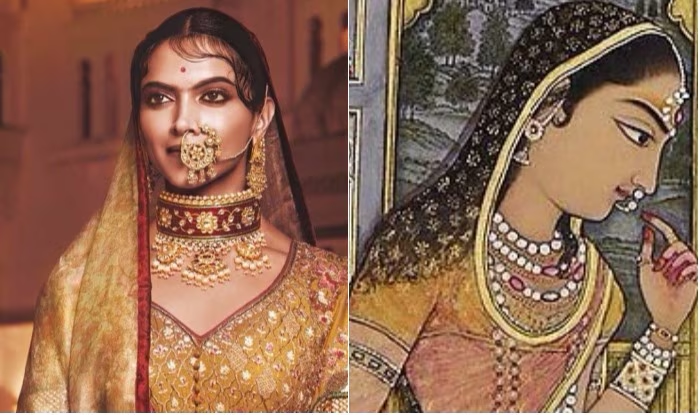
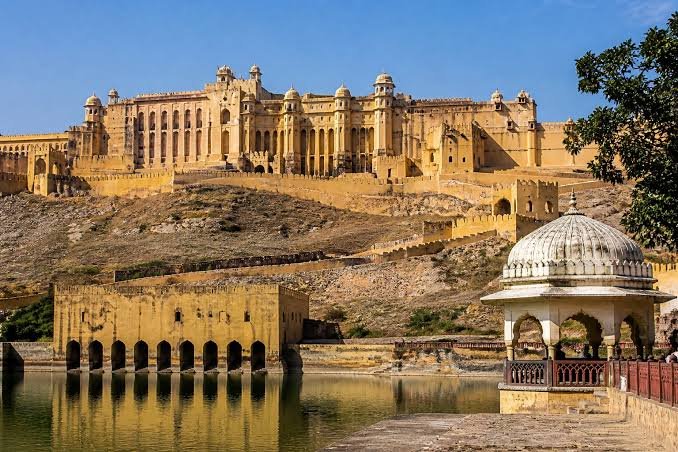
Regarding her age reports have that at the time of her marriage which was very young, even that of a child bride to Rana Rawal Ratan Singh the brave king of the Mewar kingdom between the years of 1350 and 1375 she spent her youth and adult life within the great Chittor Fort which is where she won over the hearts of the people with her compassion, sharp mind and total dedication to her kingdom and her husband.
Education and Warrior Training
In medieval times, there were no academic degrees for royalty. What there was for a princess’s education included statecraft, philosophy, literature and military tactics. Rani Padmavati was well-read in administrative affairs and martial arts. She didn’t confine herself to the palace’s inner chambers; instead, she was versed in military formations and defence tactics. Historical records point out her great role in the defence of Chittor Fort; she commanded the respect of seasoned generals and common people alike, which is a testimony to her strategic mind.
Net Worth and Royal Lifestyle
To present the idea of Rani Padmavati’s “net worth” in the 14th century, you look to the great wealth of the Mewar kingdom. Rani Padmavati lived a very rich royal life in the fortified city of Chittor. Her wealth was in extensive lands, gold reserves, precious gems, royal treasuries, and a large military force.
Although she had at her disposal great luxury, her lifestyle was marked by discipline, traditional Rajput values, and in-depth religious practice. She put forward the well-being of her people and the defence of the state above that of personal pleasure, which in turn saw the royal treasury used effectively to field a standing army for the resistance of foreign invasions.
The Fall of Chittor and the Great Sacrifice.
In the early chapters of Padmavati, we see the account of the siege of Chittor by Alauddin Khilji, who is also the Sultan of Delhi. Infatuated by stories of her beauty and to expand his empire, Khilji sets out on a large-scale military campaign against Chittor Fort.
Despite a long and brutal siege that went on for many months, the Rajput forces put up a valiant fight under the command of Rawal Ratan Singh and Padmavati. When the fort’s defence broke against superior numbers, Rani Padmavati chose death over defeat. To protect her honour and the honour of her women, she, along with thousands of Rajput women, performed Jauhar. This act of great courage secured her place in history as a symbol of honour and valour.