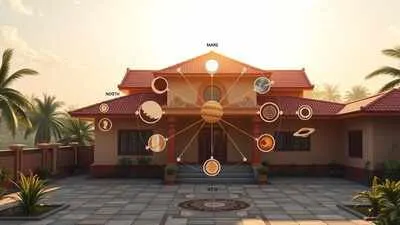
In Kerala, houses in 2025 exude warmth-the type that surrounds an individual as soon as he walks in. The feel of these homes is not very different, even with the introduction of modern materials and technology. Kerala-style homes are often said to be more “alive” than most modern buildings, as nature and some memories seem to be stitched into every nook and cranny of this house. The style does not care to present and thus grow as a slow development from the very land.
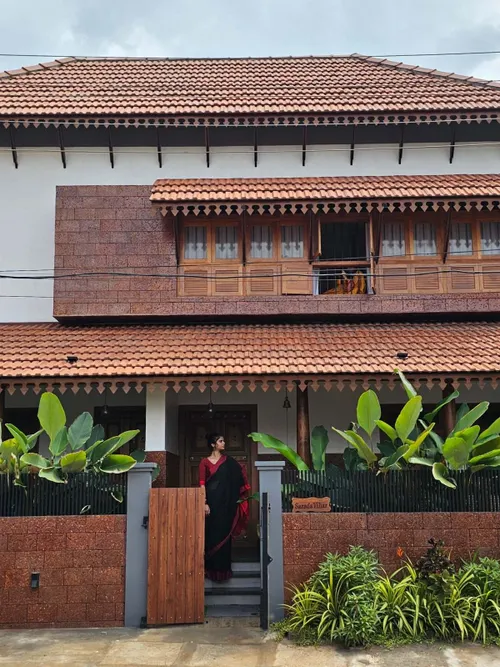
- Sloping Roofs and Clay Tiles
The unpacking of sloping tiled roofs could help defend against torrential rains. A slow kind of music lulls you to sleep when raindrops dance merrily on the roof tiles. Moving away, many families mention this as one thing they miss.
- The Open Courtyards Allowing Natural Illumination
Open courtyards have their own multiplicity of activities without any planning. Children chase one another, somebody spreads spices on a mat, golden light floods in to create an illusion of a different world inside the house; all sorts of things happen.
- Wooden Pillars and Carvings
Vintage wooden pillars often bear the faintest scratches or faded carvings that tell quiet stories. Sometimes people preserve them even when one is renovating simply because they remind them of times gone by, or someone that they loved.
- Red Oxide Flooring Making A Comeback
Red oxide floors do not glare under bright light as polished tiles do, maintain their coolness under bare feet, and feel especially comforting during humid months. While footsteps are muffled, it helps establish an overall tranquility in the house.
- Long Verandas With Seating
The veranda is almost a second living room. People sit here to shell peas, fold clothes, watch the rain, or simply slip away into the evening. It is one of those places where visitors unexpectedly find themselves.
- Tall Windows for Ventilation
Tall, tapering windows catch the breeze in its very passage. They prevent that suffocating feeling in a house, and on cloudy days, filter a gentle, diffused light that is soft to the senses.
- Slender Pathways and Garden Corners
These narrow garden patches often hold more than ornamental plants. You’ll usually find tulsi, ginger, or some herb someone’s grandmother insisted should always be grown at home. After the rain, the smell from these corners spreads through the whole yard.
- Minimalistic Yet Cultural Interiors
In most Kerala homes, there is no attempt at overwhelming the room with too many things. Few brass lamps, a framed fabric of some sort, perhaps a wooden chest; nothing brash but entirely personal.
- Kitchen Areas With Practical Layouts
While practicality may govern the overall layout of a kitchen, an area for washing or perhaps just somewhere to put the pickles may be retained throughout generations simply because it is the norm.
- Blending Tradition With Contemporary Touch
Perhaps it is this very sense of tradition that makes the installation of solar panels, modern lighting, or water-efficient systems feel right in many homes today. It is a seamless process, almost as though the house is growing with its occupants.
Must-Try Feature
If there is one tiny detail worth adding, it should be a small water feature, nay, even a clay pot with a gentle drip. Water is an elemental presence in Kerala homes-often for cooling air and adding soft living charm to the space.
Conclusion
Kerala-style homes in 2025 continue to feel warm and grounded. They’re not perfect or overly polished by any means, which, in fact, is why they remain memorable. These homes speak of the family, natural comfort, and easy rhythm, one that slows down life just a little.