Rajasthan is often called the Land of Kings, renowned for its magnificent forts, grand palaces, and vibrant cultural heritage. Many of these architectural masterpieces are included in India’s famous Golden Triangle travel circuit, which connects Delhi, Agra, and Jaipur. Exploring the forts of Rajasthan alongside the Golden Triangle offers travelers a fascinating journey through centuries of royal history, stunning architecture, and colorful traditions. In 2026, these forts continue to attract millions of visitors from around the world, making them must-visit destinations for history lovers, photographers, and cultural enthusiasts.
Also read: Top 15 Most Influential Singers In 2025
1. Amer Fort, Jaipur
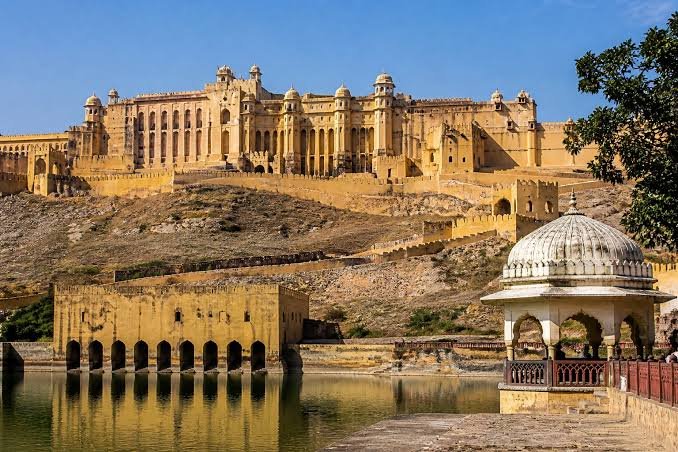
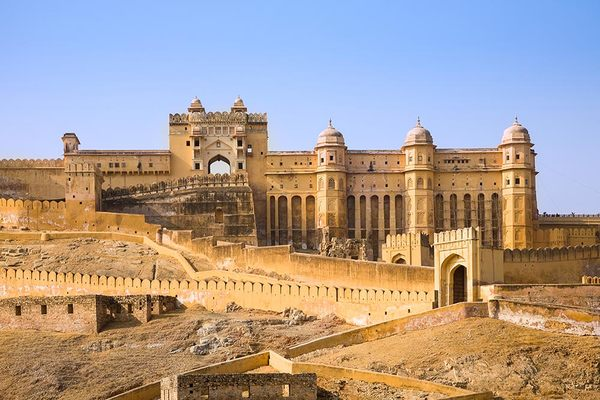
Perched on a hill overlooking Maota Lake, Amer Fort is one of Rajasthan’s most iconic landmarks. Built in the 16th century by the Rajput rulers, the fort combines impressive Hindu and Mughal architectural styles. Visitors can admire beautifully decorated courtyards, grand gateways, intricate mirror work, and elegant marble halls.
One of the fort’s highlights is the Sheesh Mahal (Mirror Palace), where thousands of tiny mirrors create a dazzling display when illuminated. The panoramic views of the surrounding hills and lake make Amer Fort one of Jaipur’s most photographed attractions.
2. Mehrangarh Fort, Jodhpur
Towering above the Blue City of Jodhpur, Mehrangarh Fort is one of India’s largest and best-preserved forts. Built in the 15th century, it stands on a rocky hill nearly 400 feet above the city, offering breathtaking views of the blue-painted houses below.
Inside the fort, visitors can explore royal palaces, museums, courtyards, and galleries displaying weapons, paintings, costumes, and artifacts from Rajasthan’s royal past. The fort’s massive walls, ornate carvings, and beautifully decorated rooms make it one of the country’s finest historical monuments.
3. Jaisalmer Fort
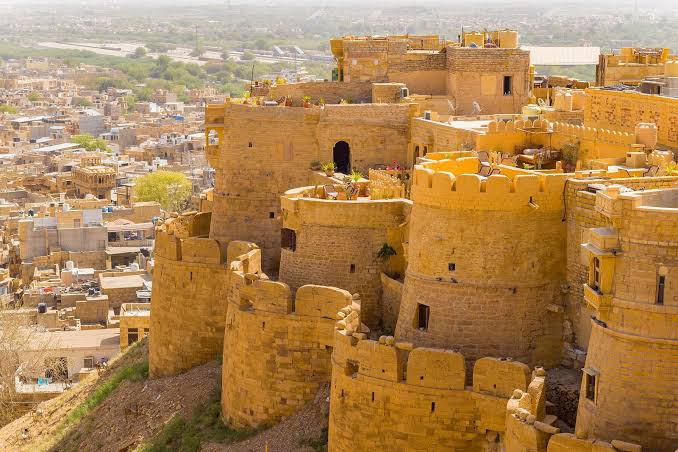
Unlike many historic forts that function only as museums, Jaisalmer Fort remains a living fort where thousands of people still reside. Rising dramatically from the golden sands of the Thar Desert, the fort is built from yellow sandstone that glows beautifully during sunrise and sunset, earning it the nickname “Golden Fort.”
Inside its ancient walls are narrow streets lined with temples, traditional houses, boutique hotels, cafés, handicraft shops, and local markets. Walking through the fort offers visitors an authentic glimpse into Rajasthan’s rich cultural heritage.
4. Chittorgarh Fort
Chittorgarh Fort is the largest fort in India and one of the country’s most significant historical sites. Spread across a vast hilltop, it symbolizes Rajput bravery, sacrifice, and resilience.
Visitors can explore magnificent palaces, temples, towers, reservoirs, and gateways while learning about legendary stories of Rajput warriors and queens. Notable attractions inside the fort include the Vijay Stambh (Victory Tower) and Kirti Stambh (Tower of Fame), both admired for their intricate carvings and historical importance.
5. Kumbhalgarh Fort
Known for its enormous defensive walls stretching over 36 kilometers, Kumbhalgarh Fort is often compared to the Great Wall of China. Built during the 15th century, the fort is surrounded by the scenic Aravalli Hills and served as an important defensive stronghold for the Mewar Kingdom.
The fort contains numerous temples, palaces, gardens, and watchtowers. Visitors are rewarded with spectacular views of the surrounding forests and mountains, especially during sunrise and sunset.
6. Agra Fort
As one of the key attractions of the Golden Triangle, Agra Fort is an architectural masterpiece built by the Mughal emperors. Constructed primarily from red sandstone, the fort served as both a military fortress and an imperial residence.
Inside, visitors can admire elegant marble palaces, audience halls, mosques, and beautiful gardens. Several sections offer stunning views of the nearby Taj Mahal, adding to the fort’s appeal.
7. Red Fort, Delhi
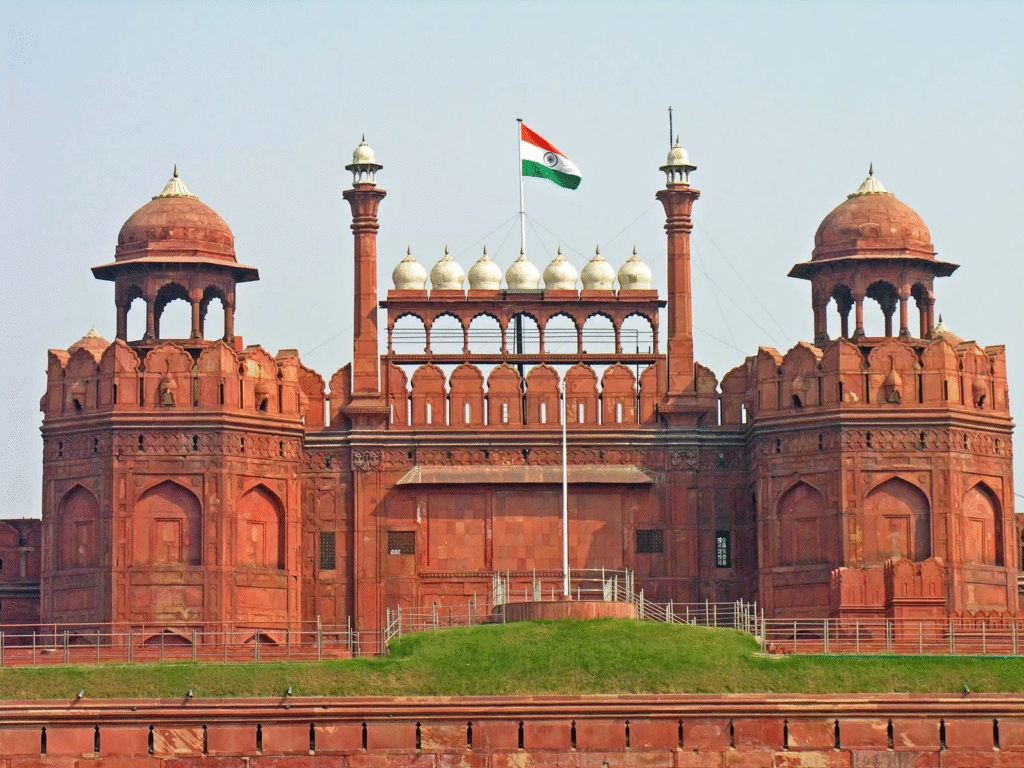
Located in the heart of India’s capital, the Red Fort stands as one of the nation’s most iconic landmarks. Built by Emperor Shah Jahan in the 17th century, the fort features massive red sandstone walls, impressive gateways, royal palaces, and expansive gardens.
Every year on India’s Independence Day, the Prime Minister addresses the nation from the Red Fort, highlighting its enduring historical and national significance.
8. Nahargarh Fort, Jaipur
Perched high above Jaipur, Nahargarh Fort offers some of the city’s most spectacular panoramic views. Originally built as a defensive fortification, it later became a royal retreat.
Visitors enjoy exploring its elegant rooms, beautiful corridors, and terraces while taking in sweeping views of Jaipur’s pink skyline. The fort is particularly popular during sunset when the city glows beneath the surrounding hills.
9. Jaigarh Fort, Jaipur
Located close to Amer Fort, Jaigarh Fort is famous for housing the Jaivana Cannon, once considered the world’s largest cannon on wheels. Built primarily for military defense, the fort features thick walls, underground passages, water reservoirs, and watchtowers.
Its strategic location offers magnificent views of Amer Fort, Maota Lake, and the surrounding Aravalli Hills.
10. Junagarh Fort, Bikaner
Unlike many Rajasthan forts built on hilltops, Junagarh Fort stands proudly on the plains of Bikaner. Despite its location, it has never been successfully conquered.
The fort showcases a beautiful blend of Rajput, Mughal, and Gujarati architectural styles. Visitors can admire richly decorated palaces, marble balconies, ornate courtyards, temples, and fascinating museum collections that reflect centuries of royal history.
Best Time to Visit
The ideal time to explore Rajasthan and the Golden Triangle is between October and March, when temperatures are pleasant and comfortable for sightseeing. During these months, travelers can fully enjoy walking through historic forts, exploring local markets, attending cultural festivals, and experiencing outdoor attractions without the intense summer heat.
Travel Tips
- Wear comfortable walking shoes, as many forts involve climbing steps and exploring large complexes.
- Carry a reusable water bottle and stay hydrated.
- Visit popular forts early in the morning to avoid crowds.
- Hire a local guide to gain deeper insights into the history and architecture.
- Dress modestly when visiting temples and religious sites within the forts.
- Carry sunscreen, sunglasses, and a hat, especially during daytime visits.
Conclusion
The forts of Rajasthan and the Golden Triangle offer an unforgettable journey into India’s royal past. From the magnificent Amer Fort and the mighty Mehrangarh Fort to the living heritage of Jaisalmer Fort and the grandeur of Agra and Delhi’s iconic fortresses, each destination tells a unique story of courage, artistry, and architectural brilliance. Whether you’re fascinated by history, photography, culture, or breathtaking landscapes, these remarkable forts promise an enriching travel experience in 2026 and remain among India’s most treasured historical landmarks.
Also read: https://neutralnewsreport.com/top-10-things-to-do-in-richmond-london-in-2026/