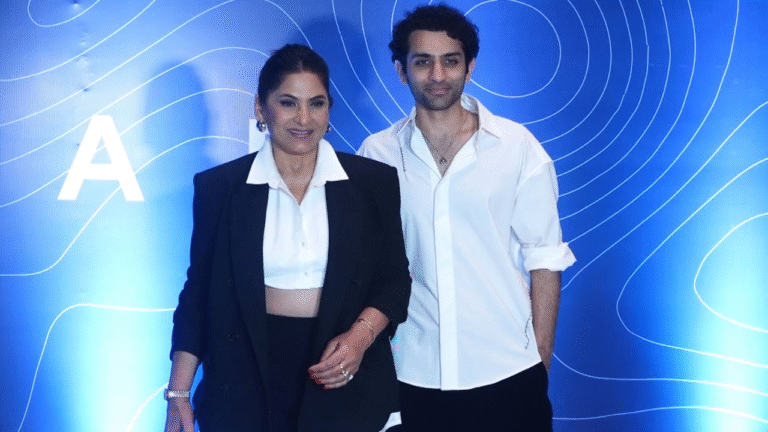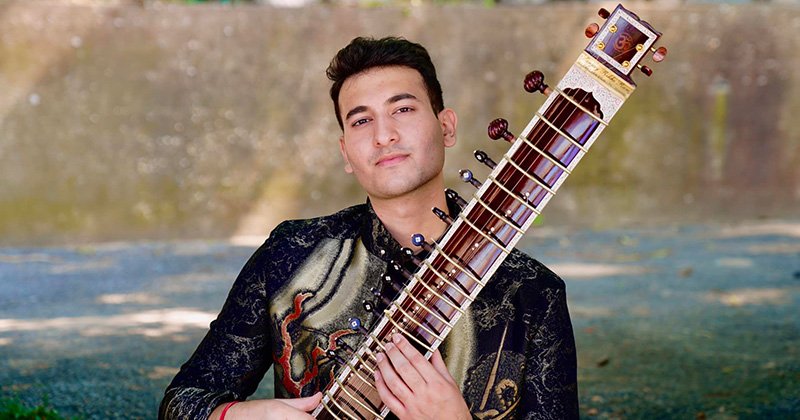
Rishab Rikhiram Sharma is an Indian classical sitarist and music composer who represents the new generation of musicians carrying forward India’s rich classical heritage while seamlessly blending it with contemporary global sounds. By 2025, he is widely recognized for modernizing the sitar for younger audiences, performing on international stages, and continuing the legendary musical legacy of the Rikhi Ram family, one of the most respected names in Indian classical music.
Early Life and Musical Lineage
Rishab Rikhiram Sharma was born into a family deeply rooted in Indian classical music. He belongs to the renowned Rikhi Ram lineage, a family that has been associated with sitar craftsmanship and performance for generations. His great-grandfather, Pandit Rikhi Ram, was one of the most celebrated sitar makers in India and worked closely with legendary musicians.
Rishab is the son of Sanjay Sharma, a well-known sitarist and the founder of Rikhi Ram Musicals, which further strengthened his exposure to classical music from an early age. Growing up surrounded by instruments, maestros, and musical discussions, Rishab’s connection with music was natural and deeply ingrained.
Also read: AP Dhillon Biography
Training and Musical Education
Rishab began learning the sitar at a very young age under the guidance of his father. His training followed the traditional guru-shishya parampara, emphasizing discipline, emotional depth, and technical mastery. Alongside rigorous classical training, he was also exposed to global musical influences, which later shaped his unique performance style.
His education balanced both academics and music, but it was clear early on that his passion lay in performance and composition. Years of practice, riyaaz, and live exposure helped him develop a refined yet expressive approach to the sitar.
Musical Career and Performances
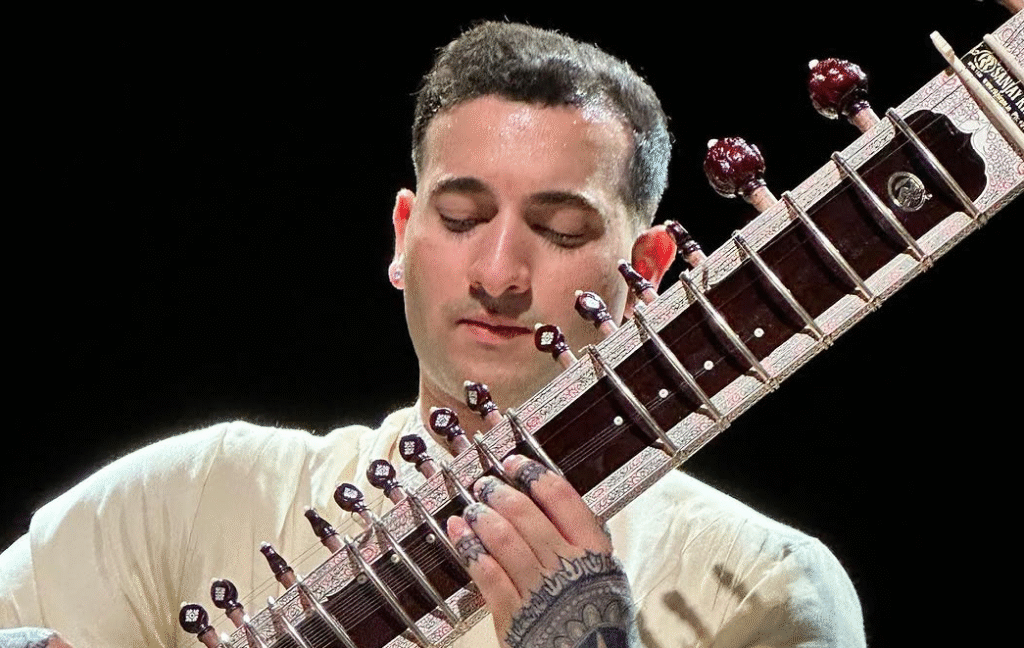
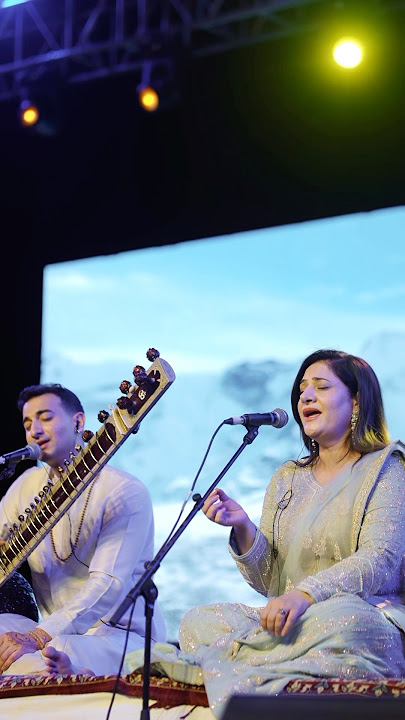
Rishab Rikhiram Sharma started performing publicly at a young age and quickly gained recognition for his confidence, stage presence, and emotional connection with audiences. Unlike many traditional classical musicians, Rishab embraced fusion and contemporary formats, introducing the sitar to modern listeners without compromising its classical soul.
By 2025, he has performed at:
- Prestigious classical music festivals in India
- International concert halls across Europe, North America, and Asia
- Youth-focused music platforms that blend Indian classical with modern genres
His performances often combine classical ragas, ambient soundscapes, and global music elements, making the sitar accessible to a broader generation.
Style and Musical Identity
Rishab is known for redefining how Indian classical music is presented to modern audiences. His style maintains the spiritual and technical essence of the sitar while incorporating minimalistic visuals, meditative compositions, and modern arrangements.
He believes music is a form of emotional storytelling rather than mere performance. This philosophy reflects in his compositions, which often focus on themes like inner peace, mindfulness, and human connection.
Digital Presence and Youth Influence
A significant part of Rishab’s popularity comes from his strong digital presence. Through live sessions, short performances, and educational content, he has introduced sitar music to millions of young listeners worldwide. His calm demeanor and modern presentation have helped break stereotypes around Indian classical music being inaccessible or outdated.
By 2025, he is widely admired as a cultural bridge between tradition and modernity.
Personal Life and Values
Despite growing fame, Rishab Rikhiram Sharma remains deeply grounded. He often speaks about discipline, humility, and respect for tradition. He credits his family and gurus for keeping him rooted while exploring new creative directions.
He follows a mindful lifestyle and believes music has the power to heal, inspire, and transform lives. His personality reflects quiet confidence rather than flamboyance.
Legacy and Future Vision
As the torchbearer of a historic musical lineage, Rishab carries both responsibility and vision. His goal is not just to preserve Indian classical music, but to evolve it in a way that resonates globally.
Looking ahead, he aims to:
- Compose original global fusion albums
- Collaborate with international artists
- Introduce Indian classical music to younger generations worldwide
Conclusion
In 2025, Rishab Rikhiram Sharma stands as a powerful example of how tradition and innovation can coexist. Rooted in one of India’s most respected musical families, he has carved his own identity as a modern sitarist who honors the past while shaping the future. His journey reflects dedication, creativity, and a deep belief in music as a universal language.
Also read: https://neutralnewsreport.com/know-about-gauri-spratt-biography-in-2025/