The name Gaikwad, which also appears as Gaiwad, Gaekwad, or Gaikwad, has great historical value in western India. For years, it has been a part of the power structure, administration, and culture. Even in the present day, the name is very much recognized in states like Maharashtra, Gujarat, Karnataka, and parts of Madhya Pradesh. To trace the real roots of the name, you must look into its linguistic origin, historical past, and caste association.
Origin of the Gaikwad Surname

The family name Gaikwad is of Marathi origin, which means “Gai,” which in English means cow, and “kwad/wad,” which means, in that context, keeper or protector. In past times, what we know today as the Gaikwad title was given to people who took care of the cattle or had administrative jobs related to livestock and land revenue. With time, what was a job title became a hereditary surname.
Another past element is the connection of the name to the Maratha rule. In the Maratha Empire, the Gaikwad family took a leading role, out of which Baroda (present-day Vadodara), which was a princely state, saw great play. They served to put the surname on the map of India at that time.
The Gaikwad Dynasty in History.
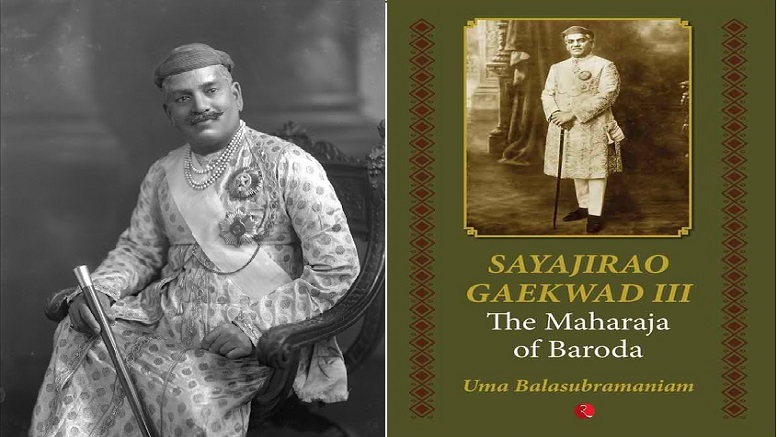
One of the best-known families that bear this name is the Gaekwad Dynasty of Baroda, a branch of the Maratha confederacy. The dynasty was founded by Pilaji Rao Gaekwad in the early 17th century. Under their rule, Baroda grew into a great princely state, which saw administrative and economic growth, and they also supported the arts.
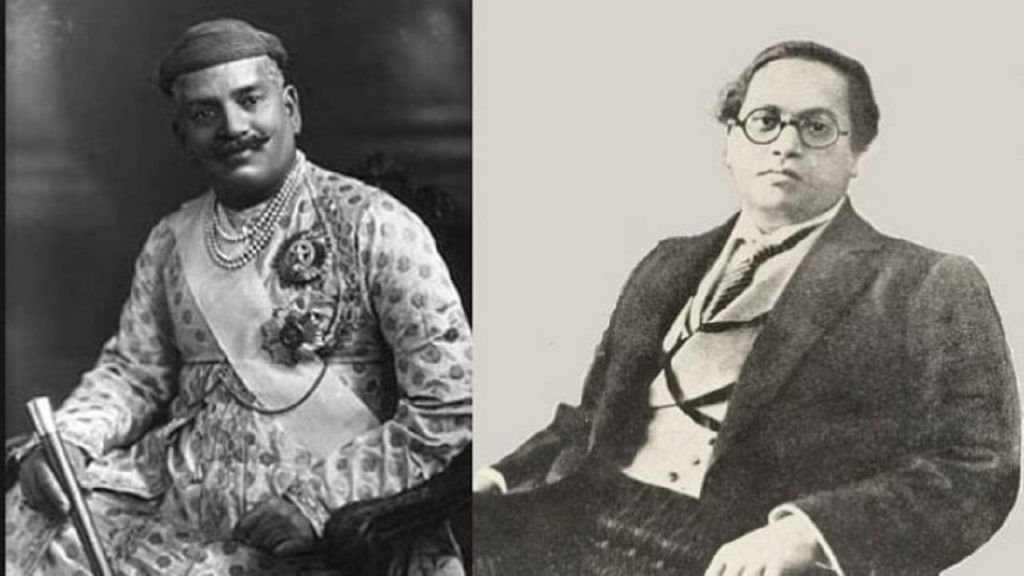
The dynasty saw great success during the rule of Sayajirao Gaekwad III, which was a time of great change in Baroda. He introduced modern ideas to the state through the founding of schools and libraries, railways, and many social reforms. Under his able leadership, Baroda became one of the most progressive states before independence.
This royal heritage played a large role in the spread and importance of the Gaikwad name.
Association of Gaikwad Caste.
The Gaikwad name is mostly that of the Maratha and Kunbi communities in Maharashtra. However, the widespread use of this surname has shown that Gaikwad is not a single caste issue. It is a feature of:
- The Maratha community, which traditionally was of warriors and landowners.
- In Maharashtra, which has the largest agricultural community, the Kunbis are prevalent.
- The Dhangar community is very much rooted in rural areas.
- Other OBC groups in the West of India.
In some areas, surnames that are Maratha do, in fact, include people of other backgrounds, which at different points in history included non-Maratha groups that either worked for Maratha rulers, migrated to the area, or held administrative posts under them.
Geographical Distribution
The most common Gaikwad surname is:.
- In districts like Pune, Kolhapur, Satara, Sangli, and Ahmednagar, which are in Maharashtra.
- In the case of Gujarat, which includes Vadodara, Bharuch, and outlying areas, the influence of the Gaekwad dynasty is seen.
- In Belagavi and in the north, which borders Maharashtra.
- In the case of Madhya Pradesh and Goa, in the case of the former, more so.
The reach of the name is due to the movement of Maratha soldiers, rulers, and administrative families, which took place and continued to do so post the empire’s expansion.
Modern-Day Presence and Identity

Presently, the Gaikwad surname is put forth by people who, in turn, do very well in diverse fields like politics, sports, academics, administration, and entertainment. Also, we see many a public figure with this surname who has played key roles in social progress and public welfare.
While the name does present a strong historical and cultural identity, which is true for the past, present-day Gaikwads are more defined by their shared heritage than by rigid caste boundaries.
Conclusion
Gaikwad’s name signifies not only an individual family but also a great deal more: it is a historical and community-based legacy developed through time as a result of the Maratha’s many contributions to society. The Gaikwad Family was known for their occupational roots, and they played a significant part in the development of the Maratha Empire.